
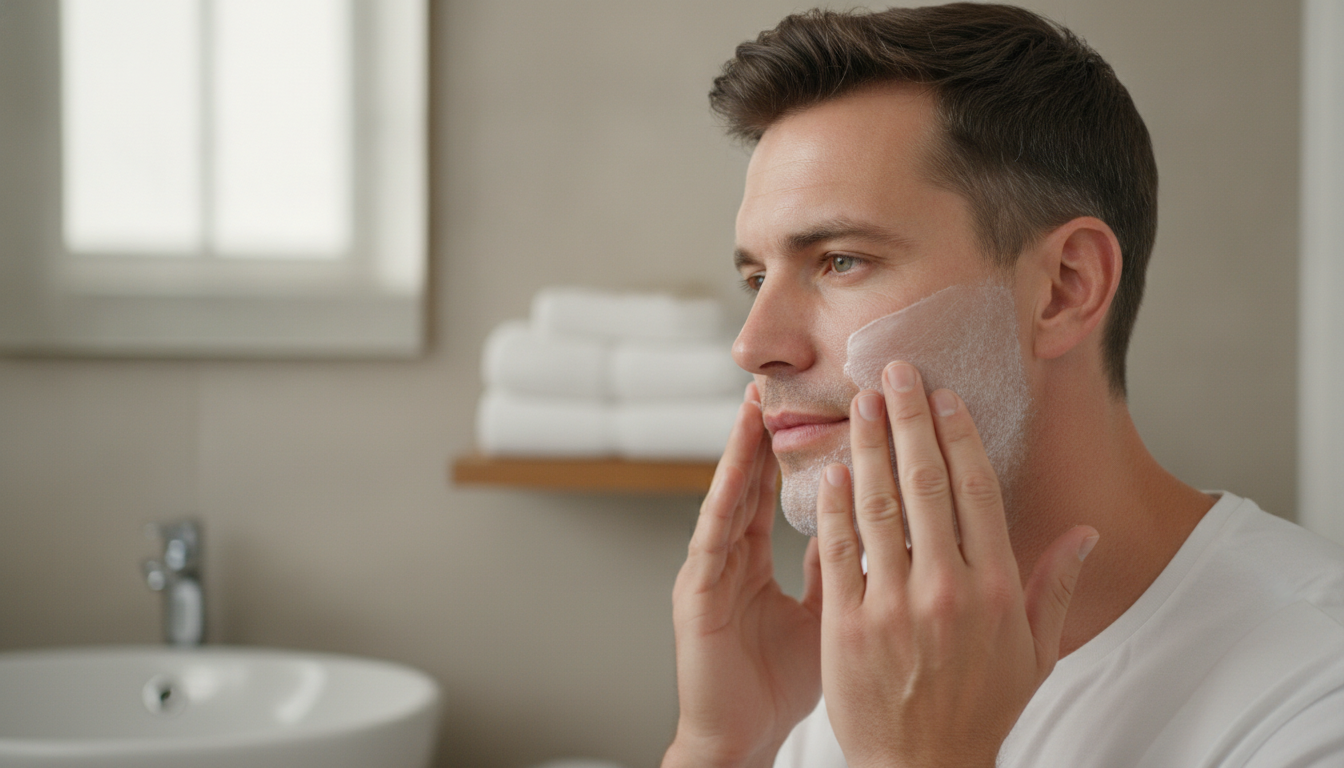
Most men judge a shave by how smooth it feels the moment the razor lifts off the skin. The real test happens hours later, when redness either fades quietly or turns into irritation, bumps and the first signs of an ingrown hair. Post shave skin recovery is the part of grooming that gets the least attention, yet it decides whether a shave looks clean the next day or leaves visible marks that take a week to settle down.
Understanding what actually happens to skin during and after a shave makes it much easier to prevent the two most common problems men deal with: razor burn and ingrown hairs. Both are avoidable with a few adjustments to routine, and neither requires expensive products to fix.
What Razor Burn Actually Is
Razor burn is not caused by a dull blade alone, although that certainly makes it worse. It happens when the skin’s surface layer is disturbed faster than it can protect itself, usually from too much pressure, too many passes over the same area or shaving against the grain on skin that has not been properly prepared. The result is a burning sensation, visible redness and sometimes small raised bumps that can be mistaken for a rash.
The skin on the neck and jawline is particularly sensitive because it moves constantly and has less natural padding than other areas of the face. This is why razor burn tends to concentrate around the neck even when the cheeks and chin come through a shave completely fine.
Why Ingrown Hairs Form After a Shave
An ingrown hair develops when a cut hair curls back into the skin instead of growing straight out of the follicle. This happens more often with coarse or curly hair, but it can affect any hair type when the skin around the follicle is dry, clogged or irritated. Shaving too close, using a blunt blade or skipping exfoliation all increase the chances of a hair getting trapped under the surface, where it causes a small, sometimes tender bump that can take days to resolve on its own.
Ingrown hairs are more common in areas where hair grows at an angle rather than straight, which is why the neck and jawline are affected far more often than the cheeks.
The Routine That Prevents Both
Prevention comes down to preparation, technique and aftercare, in that order. Skipping any one of these three stages is usually where the trouble starts.
Preparation means shaving on skin that is warm, clean and slightly hydrated, never dry. A few minutes under warm water or a warm towel softens the hair shaft and opens the pores, which reduces the resistance the blade encounters. Technique means using light pressure and shaving with the grain first, saving any pass against the grain for small areas that genuinely need it, rather than applying it across the whole face out of habit. Aftercare means calming the skin immediately afterward rather than letting it dry out, since skin left untreated after a shave loses moisture quickly and becomes more reactive.
- Rinse with cool water immediately after shaving to close the pores and reduce inflammation.
- Apply an alcohol free balm rather than a scented aftershave, since alcohol based products often dry the skin further and worsen redness.
- Exfoliate gently two or three times a week, never on the same day as a shave, to keep dead skin from trapping new hair growth.
These three habits, done consistently, prevent the vast majority of razor burn and ingrown hair cases before they start.
When Skin Needs More Than a Standard Routine
Some men deal with recurring irritation no matter how careful the routine is, and this usually points to either the tools being used or the technique itself rather than the skin being unusually sensitive. A blade that has gone slightly dull, a razor angle that is too aggressive or simply shaving too frequently in the same direction can all cause irritation that no amount of aftercare product will fully resolve.
This is often where switching from a multi blade cartridge razor to a single blade or straight razor makes a noticeable difference. A single pass with a sharp blade at the correct angle removes hair with far less friction than several passes with a cartridge razor, which directly reduces the two main causes of irritation. It is also why a shave performed with proper technique and the right tools tends to leave skin calmer than one rushed through with whatever razor is closest to hand.
Long Term Skin Health Matters More Than Any Single Shave
Skin that is shaved regularly benefits from being treated as its own category of skincare, separate from the rest of the face. Moisturizing daily, even on days without a shave, keeps the skin barrier strong enough to handle the friction of a blade without overreacting. Men who travel frequently or shave in different climates often notice their skin reacts differently depending on humidity and water quality, which is a good reminder that a routine may need small adjustments rather than staying identical all year round.
Patience also plays a role that is easy to underestimate. Skin that has been irritated for weeks or months does not recover after a single good shave. It takes a series of calmer, better executed shaves before redness and bumps fully settle, which is exactly why consistency matters more than any individual product.
Getting a Professional Perspective
For men who deal with persistent irritation despite a careful routine, having a professional assess technique and skin type directly can solve problems that trial and error alone often cannot. A trained eye can spot whether the issue is pressure, blade angle, product choice or simply the order in which steps are being done, and adjust accordingly.
Mark Malota offers professional shaving and grooming sessions in Marbella that focus on exactly this kind of detail, using proper technique and skin preparation to leave the skin calm rather than irritated. For anyone dealing with ongoing razor burn or ingrown hairs, booking a session through markmalota.com is a straightforward way to reset the routine and get lasting results.